MARCH 9, 2026 – As part of the country’s modernization of travel documents, the Department of Foreign Affairs (DFA) has adopted the two-letter document type code “PP” for regular Philippine ePassports.
In an official statement on Monday, the agency declared that starting 1st March 2026, the new code will appear in both the Machine Readable Zone (MRZ) and the Visual Inspection Zone (VIZ) of all newly issued regular Philippine ePassports.
New PH Passports to Have ‘PP’ Code Starting March 1
This latest move by the DFA goes in line with international travel document standards, the Philippine News Agency reported. In particular, it aligns with International Civil Aviation Organization (ICAO) Document 9303, which mandates member states to adopt “harmonized” secondary document type indicators when issuing passports.
According to the DFA, adoption of the “PP” code further strengthens the integrity, security, and consistency of the Philippine passport — thus ensuring its continued recognition and acceptance all over the world.
Notably, this isn’t the first time that the DFA has made a change on the Philippine passport. In 2010, the agency replaced the commonly used “RP” (i.e. “Republic of the Philippines”) with “PH” or “PHL.” At that time, the DFA stated that using the designated country codes PH or PHL would avoid confusion and ambiguity with regards to the use of the initials “RP.”
The change was made in compliance with the country codes set by the International Organization for Standardization (ISO), an international organization that sets standards for products, services, and systems.
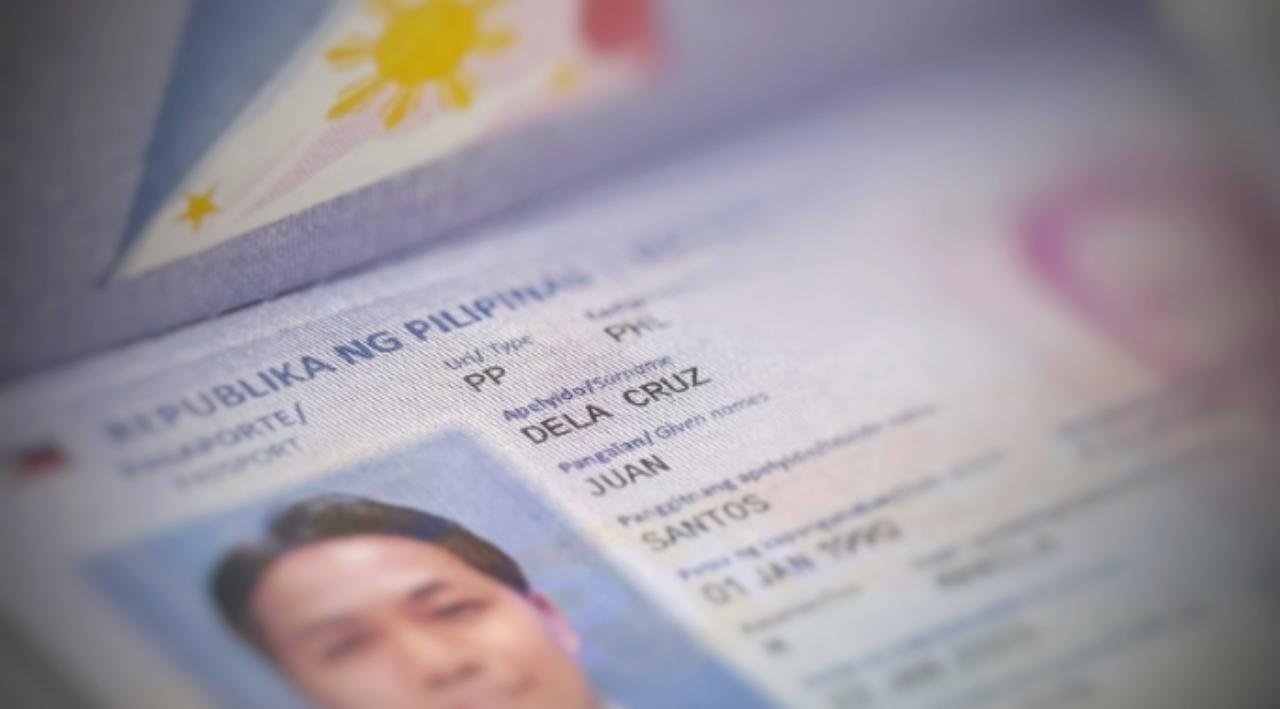
Image Credit: dfa.gov.ph
As for regular Philippine ePassports that had been issued before March 1, 2016 with the single letter code “P,” the DFA clarified that these will remain valid until their respective expiration dates.
Furthermore, the agency explained that the latest update does not affect any travel procedures or visa requirements. There is no need for current passport holders to replace their documents right away. They are simply reminded to keep their passports free from any unauthorized stamps or markings, to make sure that they remain valid for use.